

Drywall Tape vs Mesh Tape: Which Is Better?
If you’re wondering whether to use drywall tape or mesh tape for your drywall project, you’re not alone. This is one of the most common questions when finishing seams. Here’s a clear, up-to-date comparison to help you decide between traditional paper drywall tape and fiberglass mesh tape.What Is Paper Drywall Tape?Paper drywall tape (also called joint tape) is the classic choice used by most professionals. It’s a thin, non-sticky paper strip with a crease down the middle that makes it easy to fold into corners. You must embed it into a layer of joint compound to make it stick.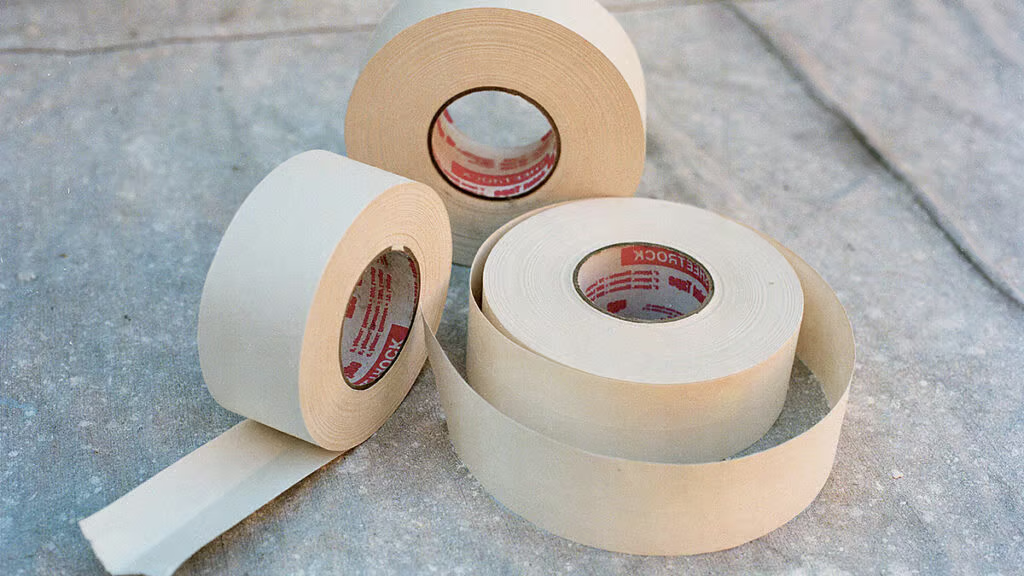
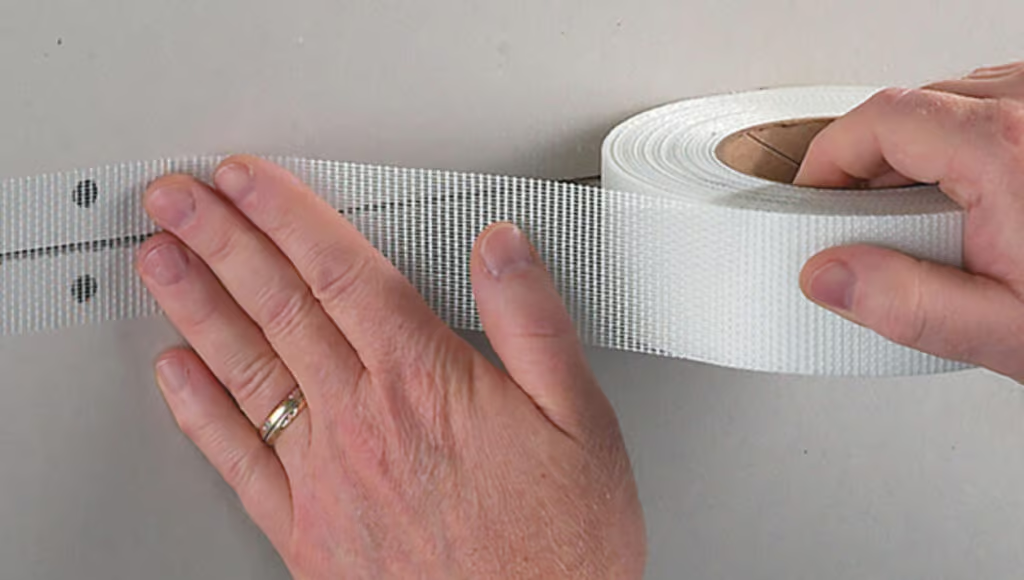
What Is Fiberglass Mesh Tape?Fiberglass mesh tape (mesh drywall tape) is self-adhesive with an open grid pattern. You simply stick it directly onto the joint — no need to pre-coat with mud first. It works especially well when paired with setting-type joint compound.
Paper Tape vs Mesh Tape ComparisonStrength
Paper tape is stronger and less elastic, creating a stiffer and more durable joint. Mesh tape is strong in tension but more flexible. Paper tape wins.
Crack Resistance
Paper tape provides excellent long-term crack resistance. Mesh tape performs well when installed correctly but has a higher chance of cracking over time. Paper tape wins.
Ease of Use
Paper tape has a steeper learning curve because it must be embedded in mud. Mesh tape is self-adhesive and much easier for beginners and DIYers. Mesh tape wins.
Moisture and Mold Resistance
Paper tape has poor moisture resistance. Mesh tape (made of fiberglass) offers excellent resistance to moisture and mold growth. Mesh tape wins.
Best Uses
Paper tape is ideal for new construction, long seams, corners, and butt joints. Mesh tape is better for quick repairs, bathrooms, kitchens, and damp areas. It depends on your project.
Compound Requirements
Paper tape works with both all-purpose and setting-type mud. Mesh tape performs best with setting-type (hot) joint compound. Paper tape wins for versatility.
Speed
Paper tape takes more time during the initial application. Mesh tape allows faster installation since it sticks right away. Mesh tape wins.
Cost
Paper tape is generally cheaper. Mesh tape usually costs slightly more. Paper tape wins.
Paper tape is stronger and less elastic, creating a stiffer and more durable joint. Mesh tape is strong in tension but more flexible. Paper tape wins.
Crack Resistance
Paper tape provides excellent long-term crack resistance. Mesh tape performs well when installed correctly but has a higher chance of cracking over time. Paper tape wins.
Ease of Use
Paper tape has a steeper learning curve because it must be embedded in mud. Mesh tape is self-adhesive and much easier for beginners and DIYers. Mesh tape wins.
Moisture and Mold Resistance
Paper tape has poor moisture resistance. Mesh tape (made of fiberglass) offers excellent resistance to moisture and mold growth. Mesh tape wins.
Best Uses
Paper tape is ideal for new construction, long seams, corners, and butt joints. Mesh tape is better for quick repairs, bathrooms, kitchens, and damp areas. It depends on your project.
Compound Requirements
Paper tape works with both all-purpose and setting-type mud. Mesh tape performs best with setting-type (hot) joint compound. Paper tape wins for versatility.
Speed
Paper tape takes more time during the initial application. Mesh tape allows faster installation since it sticks right away. Mesh tape wins.
Cost
Paper tape is generally cheaper. Mesh tape usually costs slightly more. Paper tape wins.
When to Use Paper Tape for DrywallUse paper drywall tape when you want maximum strength and a professional, long-lasting finish:
For repairs and moisture-prone areas, mesh drywall tape is easier and more practical.The right option depends on your experience level, the size of the job, and whether moisture is a factor. Both types work very well when used correctly.
- New construction and large jobs
- Long flat seams and butt joints
- Inside corners
- Areas where durability is critical
- Small repairs and patches
- Moisture-prone rooms (bathrooms, kitchens, basements)
- DIY projects
- Quick turnaround jobs
- Paper tape: First apply a thin coat of mud, press the tape firmly into it with a drywall knife, then skim a thin coat over the top.
- Mesh tape: Press the self-adhesive tape directly onto the joint, then apply setting-type compound through the mesh.
- Always use setting-type joint compound with mesh tape for the best results.
- Feather the edges smoothly and sand lightly between coats.
- For corners, paper tape is almost always easier to work with.
- Using regular pre-mixed mud with mesh tape (increases cracking risk)
- Not fully embedding paper tape (causes bubbles and loose tape)
- Applying too much mud on the first coat with mesh tape (harder to sand)
- Skipping setting compound on joints that may move
For repairs and moisture-prone areas, mesh drywall tape is easier and more practical.The right option depends on your experience level, the size of the job, and whether moisture is a factor. Both types work very well when used correctly.